

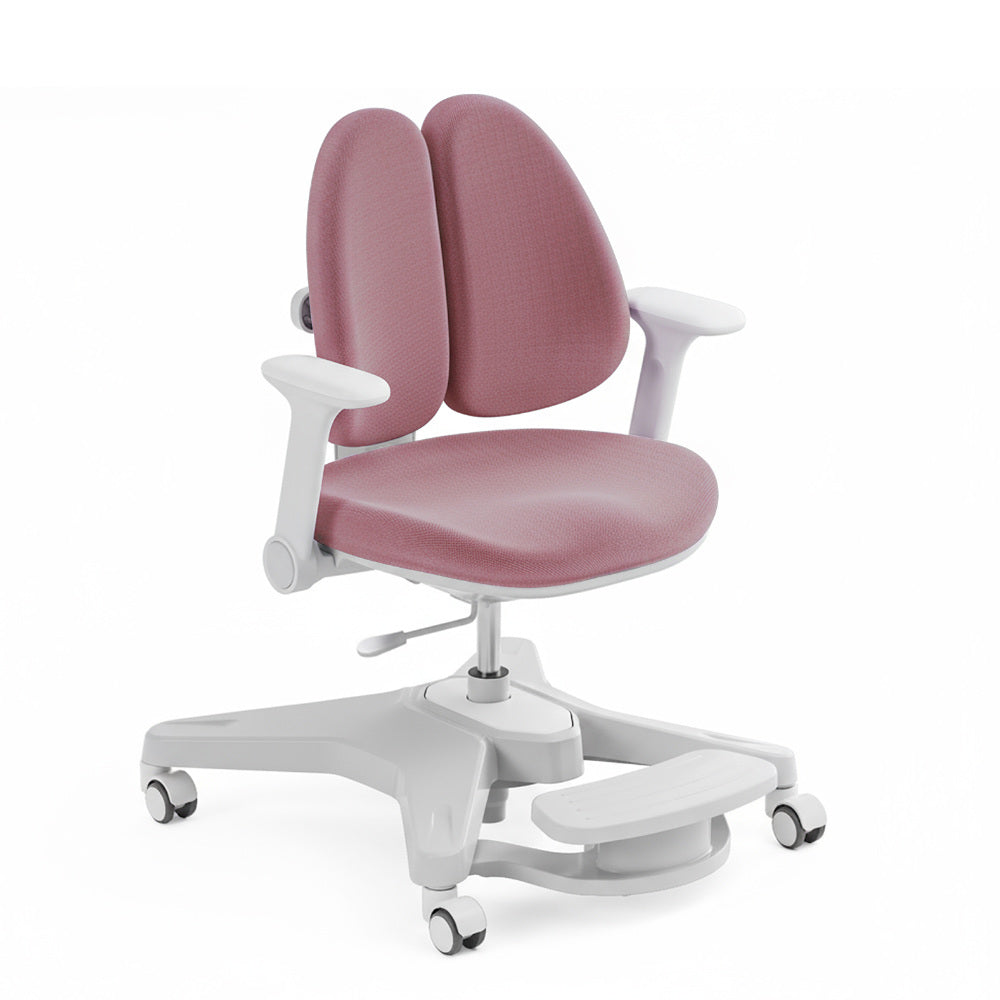







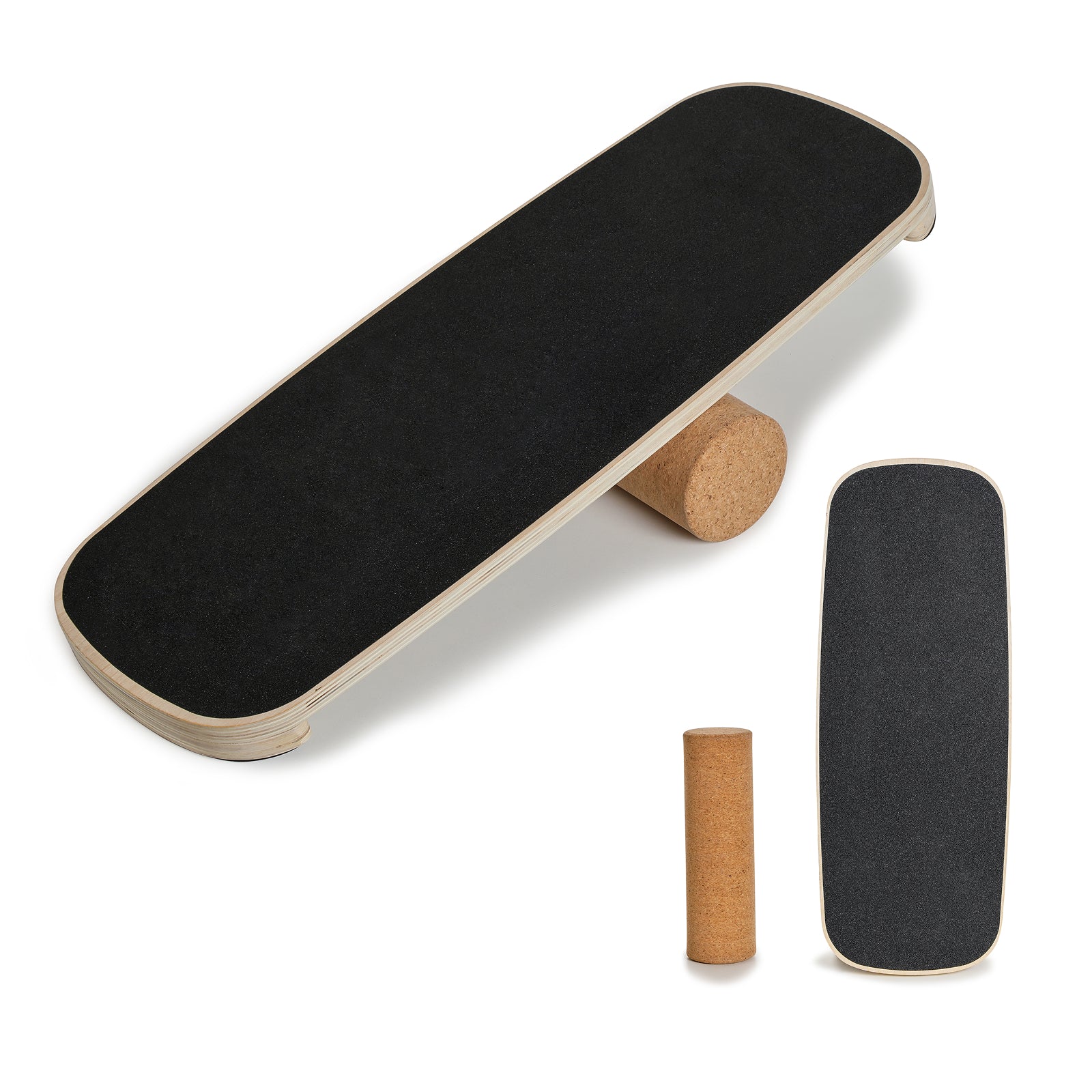

Natural materials can create a warm and calm atmosphere in a room. However, "natural" does not automatically mean free from harmful substances, durable, or suitable for every product. The specific type of material, manufacturing, surface, and available evidence are crucial.
Textiles: Cotton and linen
Natural textiles can be used for curtains, cushions, or storage. When choosing, information on washability, care, and specific certifications is often more helpful than blanket statements such as "natural = safe".

Distinguishing between wood and wood-based materials
Solid wood, veneer, wood-based materials, and wood-effect are not the same. Product descriptions for furniture should clearly state what is actually used. A wood-effect decorative surface can look like wood, but it is not solid wood.

Surfaces and coatings
Even natural base materials are often lacquered, coated, or glued. It is therefore worth looking at the manufacturer's information on the surface, care, and, if applicable, emission or test reports.
Care and durability
A material is practical in a child's room above all if it is suitable for its intended use. Desks are often wiped down, textiles must be washable, and heavily used surfaces should be repairable or easy to care for.
What evidence is helpful?
Certificates can provide guidance, but they must be read correctly. FSC, for example, refers to the origin of certified wood or forest raw materials and the product chain. It is not a general health or emissions seal. Other labels may cover different aspects.
Natural does not automatically mean free from harmful substances
This is the most important distinction. Even natural or wood-based products can contain coatings, adhesives, or other components. Anyone wishing to assess emissions should look for specific test reports or suitable product labeling.
Checklist
- Is the material clearly identified?
- Is "wood effect" correctly distinguished from solid wood?
- Is there information on the surface and care?
- Does the certificate actually apply to this product?
- Is the material suitable for daily use?
Conclusion
Natural materials are above all a design and material choice. By considering origin, surface, care, and evidence separately, you can compare products more objectively and avoid blanket health promises.