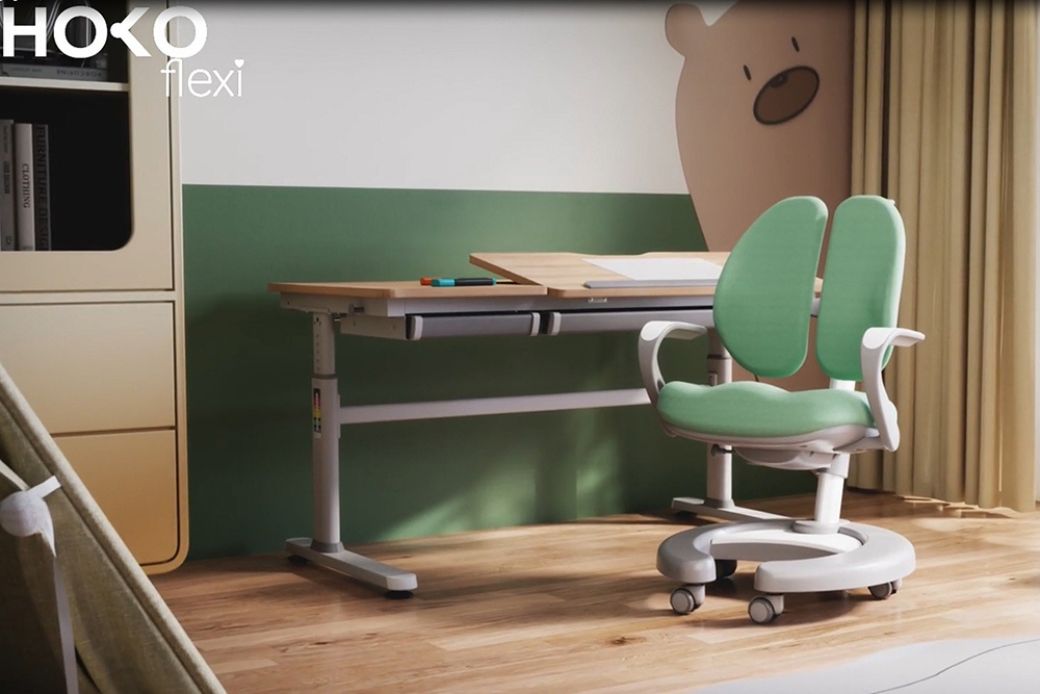
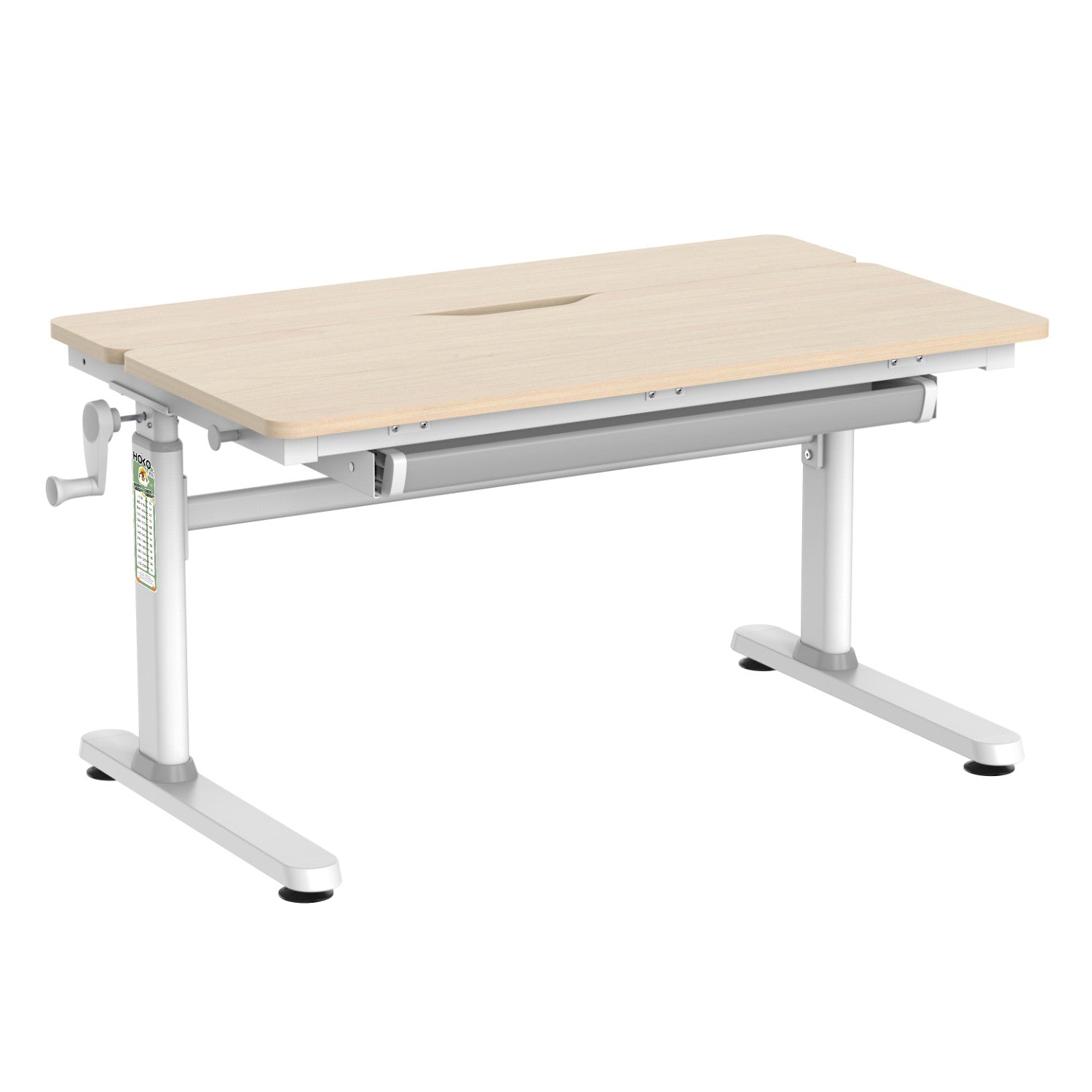




Organization at the study area does not have to promise improved learning performance. Above all, it can make one thing easier: finding materials more quickly and keeping the work surface clear for the current task. A simple three-zone system is often enough.
The three zones at the child's desk
Zone 1 – current: Only what is needed for the current task lies on the tabletop.
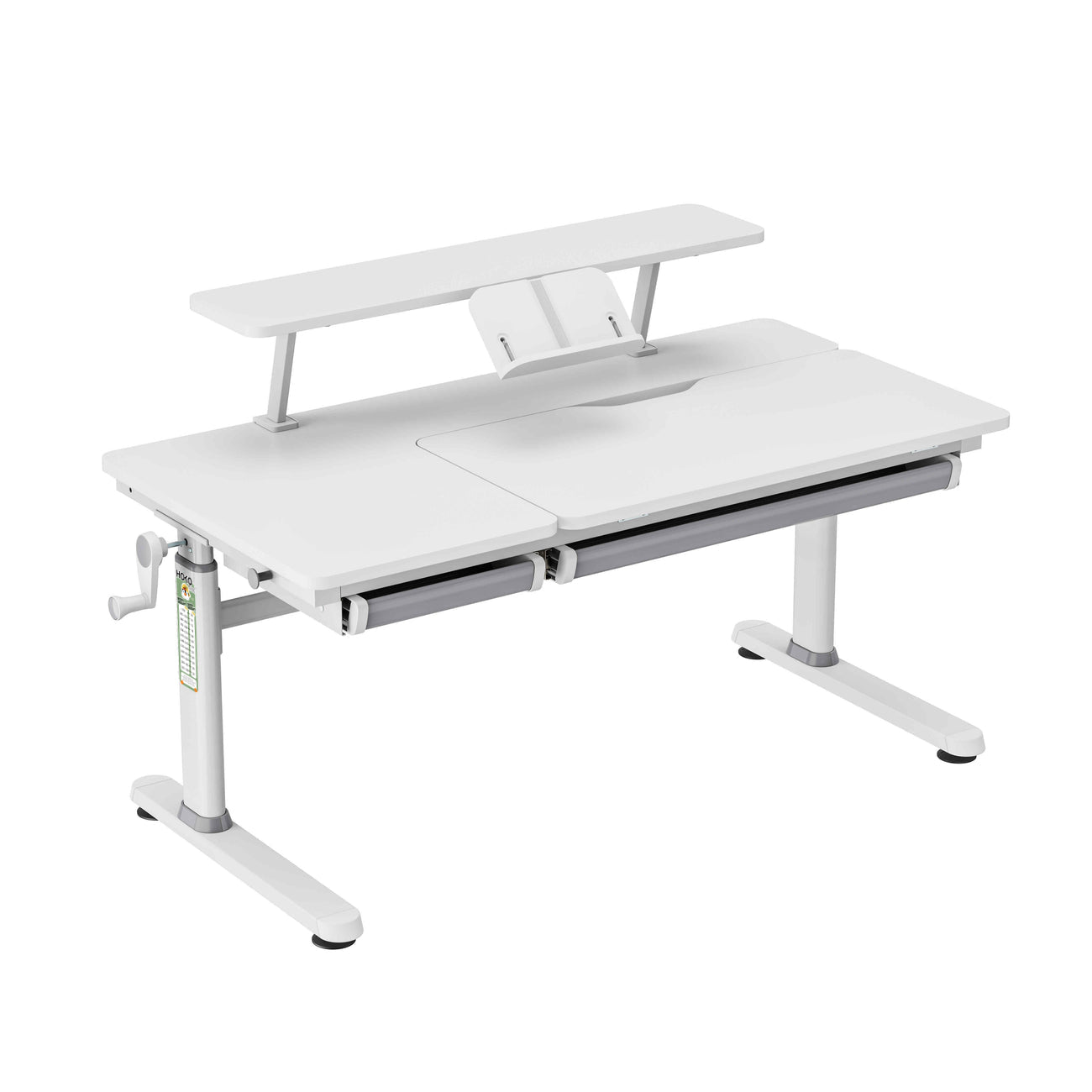
Zone 2 – within easy reach: Pens, rulers, current notebooks, or small materials are kept in a drawer, desk organizer, or organizer.
Zone 3 – storage: Rarely used items go on a shelf, in a box, or in a cabinet outside the immediate work area.
Using drawers effectively
Drawers are practical for smaller materials that need to be quickly accessible. To prevent them from becoming a catch-all for everything, simple categories can help: writing, crafts, technology, or storage.
Desk organizers and pegboards
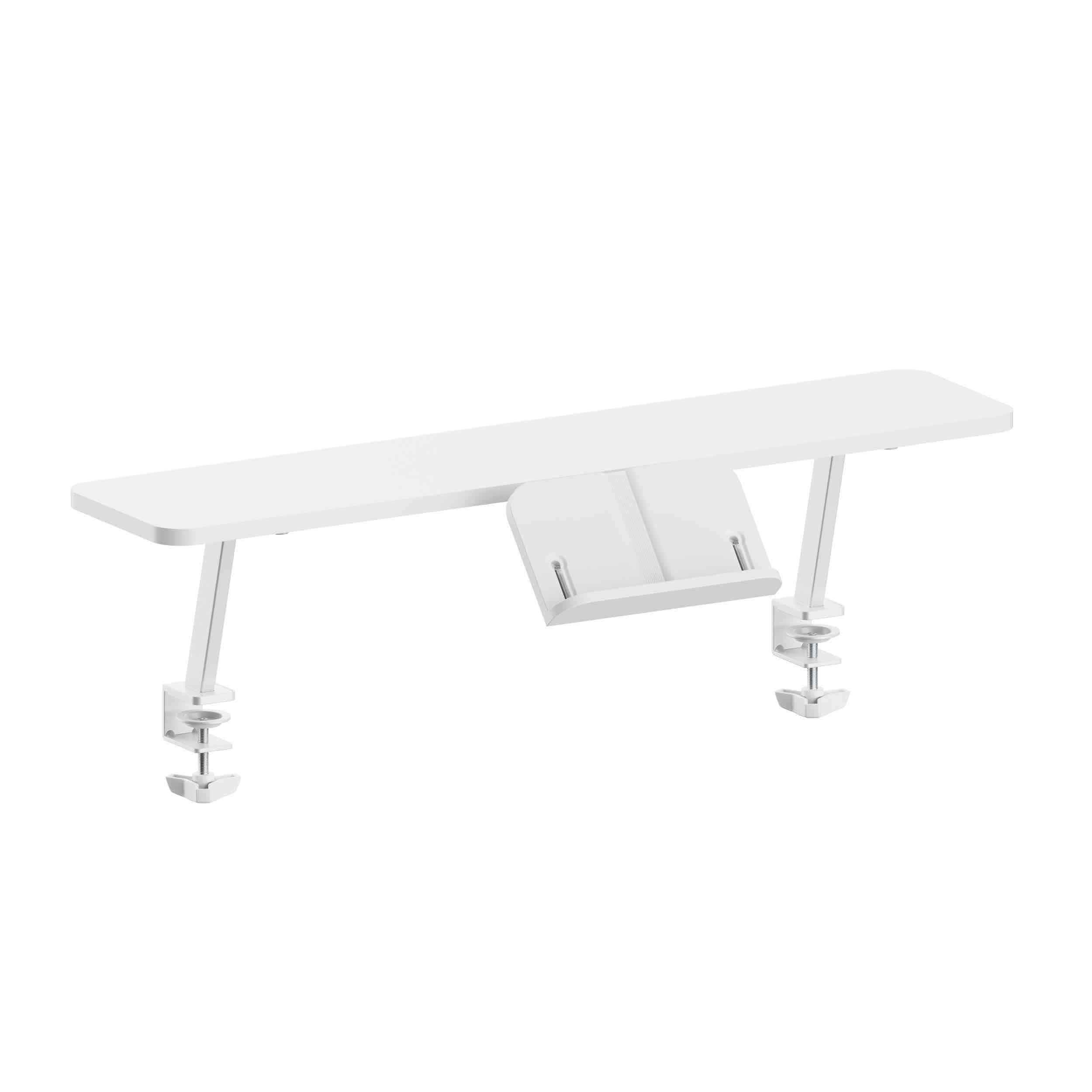
A desk organizer uses the space above the work surface and can hold books or a book stand. A pegboard is flexible for small containers and accessories. Both solutions are particularly interesting when there is little floor space available on the side.
Protecting the free surface
The work surface is not a permanent storage area. A simple rule is: what is not needed today gets a fixed place outside the current work zone. This keeps the table usable for writing, reading, or drawing.
5-minute reset
At the end of the day, a few steps can be done together: put away pens, stack notebooks, throw away trash, and prepare the current task. The benefit is not "more concentration," but a clear starting point for the next use.
Small rooms
In small children's rooms, vertical storage space can be particularly helpful. Nevertheless, wall or desk organizers should not become so full that they look cluttered. A few clearly assigned compartments are often more practical than many small shelves.
What belongs where?
Tabletop: current task.
Drawer: frequently used small items.
Organizer/pegboard: books and accessories that are often used.
Shelf/box: storage and rarely used materials.
Conclusion
Organization is less a question of furniture than of organization. Drawers, organizers, and organizers work well when each element has a clear purpose and the actual work surface remains free.